Formal vs Casual Table Settings: Easy Layouts & Rules
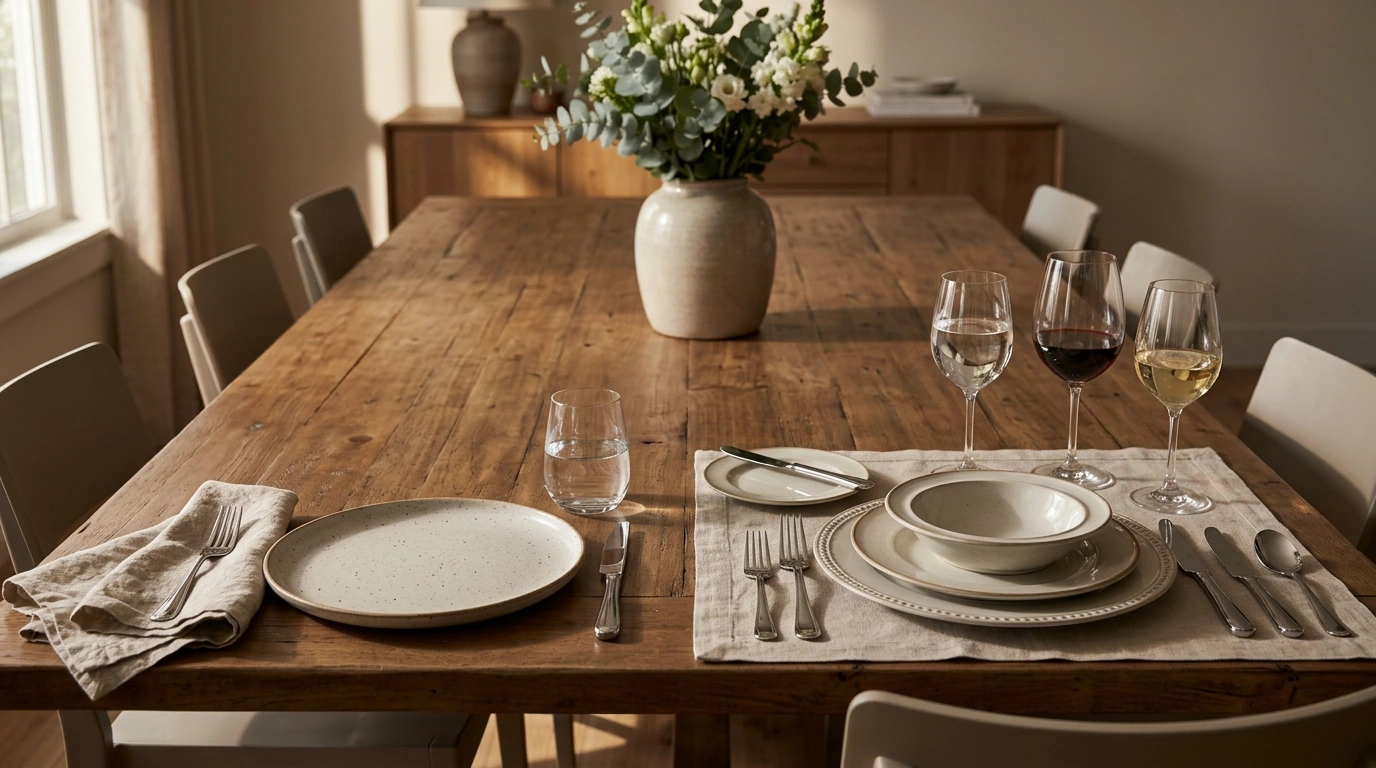
Formal vs Casual Table Setting: A Practical Guide for Every Occasion
Choosing between a formal and casual table setting depends on the occasion, the food, and how much structure guests expect. This guide breaks down what changes (and what doesn’t), shows common place-setting layouts, and offers quick rules to set a table that feels confident rather than overdone. For more guidance, see 1201 A5 Dress Code Guidelines.
What Makes a Setting “Formal” vs “Casual”
Formality is mainly about structure: more courses, more dedicated pieces, and stricter placement. Casual settings prioritize comfort and flexibility—fewer items, multipurpose pieces, and relaxed spacing. Both styles can look polished; formal isn’t automatically “fancy,” and casual isn’t “messy.” For further reading, see Guide To Professional Attire (With Examples) – Career Center.
A helpful rule of thumb: if guests might pause and wonder which glass or fork to use, formal cues help. If the meal is family-style, buffet, or “grab what you need,” casual usually wins.
| Category | Casual setting | Formal setting |
|---|---|---|
| Typical meal style | Family-style, buffet, one-plate meals | Multi-course plated meals |
| Number of utensils | Minimal (often 1 fork, 1 knife, 1 spoon as needed) | Multiple for each course (salad, dinner, dessert) |
| Glassware | 1 glass (water) + optional wine | Water + separate wine glasses (sometimes more) |
| Napkin | Any fold; can be under fork or on plate | More structured fold; often on plate or left of forks |
| Serving approach | Serve-yourself, shared platters | Plated service or formally passed dishes |
| Overall look | Relaxed, functional, welcoming | Symmetrical, layered, ceremony-like |
Casual Place Setting: The Reliable Everyday Layout
For weeknights and easy hosting, a casual layout keeps the table clean and uncluttered while still looking intentional.
- Start with a plate centered to the chair; add a napkin on the plate or to the left.
- Fork goes to the left of the plate; knife goes to the right with the blade facing the plate.
- Add a spoon to the right of the knife only if needed (soup, dessert, coffee/tea service).
- Place a water glass above the knife; add a wine glass just to the right if serving wine.
- Keep spacing comfortable: about a hand’s width between place settings to avoid crowding.
If you want a quick visual check, stand behind each chair: the setting should feel centered and repeat evenly around the table.
Formal Place Setting: The Classic Course-Ready Layout
A formal setting doesn’t need to be intimidating. It’s simply a roadmap for a multi-course meal, with pieces placed so guests can follow along without asking.
- Use the “outside-in” rule: utensils are arranged in the order they’ll be used, working inward toward the plate.
- Common layout: salad fork outer-left, dinner fork inner-left; dinner knife inner-right; soup spoon outer-right (if applicable).
- Dessert spoon and/or fork may be placed above the plate (orientation varies by tradition).
- Bread plate typically sits upper-left with a butter knife; keep the butter knife parallel to the table edge.
- Glassware usually forms a small cluster above the knife: water closest, then wine glass(es) to the right.
For a deeper, printable reference you can keep on hand for parties and holidays, see the Formal vs Casual Setting Guide.
Choosing the Right Setting for the Occasion
The “right” setting is the one that fits the meal and the room—without stealing attention from the people gathered around it.
- Weeknight dinner, casual brunch, kid-friendly gatherings: casual settings reduce fuss and cleanup.
- Holidays, milestone celebrations, client dinners at home: formal cues help the meal feel intentional and guided.
- Menu check: more than two courses or multiple beverages usually benefits from a more formal layout.
- Space check: smaller tables often look better with a simplified setting, even for special meals.
- Guest comfort check: if guests are unfamiliar with formal dining, a “formal-lite” approach (fewer pieces, clear cues) can feel welcoming.
If kids will be at the table, consider adding a calm activity before the meal—something quiet that doesn’t add clutter to the setting. A digital option like the Educational Storybook for Growing Minds can help set a relaxed tone while you finish plating and serving.
Common Mistakes and Easy Fixes
- Too many items “just in case”: Set only what will be used; extra pieces can be brought out with a course.
- Knife blade facing outward: Turn it toward the plate for a cleaner look and safer handling.
- Overcrowding glassware: Keep the primary water glass closest; move secondary glasses slightly right to avoid clinking.
- Napkin confusion: Choose one consistent placement for all guests (on plate or left of forks) to keep the table visually calm.
- Misaligned place settings: Align plate centers and keep utensil bottoms in a straight line for instant polish.
A Simple “Formal-Lite” Setup for Real Homes
For traditional etiquette references, the Emily Post Institute’s table setting guide is a clear starting point, and Britannica’s overview of etiquette adds useful context on why these conventions exist.
A Quick Reference Checklist Before Guests Arrive
FAQ
Where does the napkin go in a casual vs formal setting?
In a casual setting, the napkin commonly goes on the plate or to the left of the fork. In a formal setting, it’s often placed neatly on the plate or to the left of the forks; the most important detail is using the same placement for every guest.
How many forks and knives are needed for a formal dinner?
Match the number of utensils to the number of courses, using the outside-in rule. A typical formal setup includes a salad fork and dinner fork plus a dinner knife, with a soup spoon and dessert utensil added only when those courses are served.
Can a table be “formal” without special dishware?
Yes—structure and consistency matter more than luxury pieces. Clean, matching basics with aligned placement, a tidy napkin fold, and minimal clutter can create a formal feel without specialty dishware.











Leave a comment